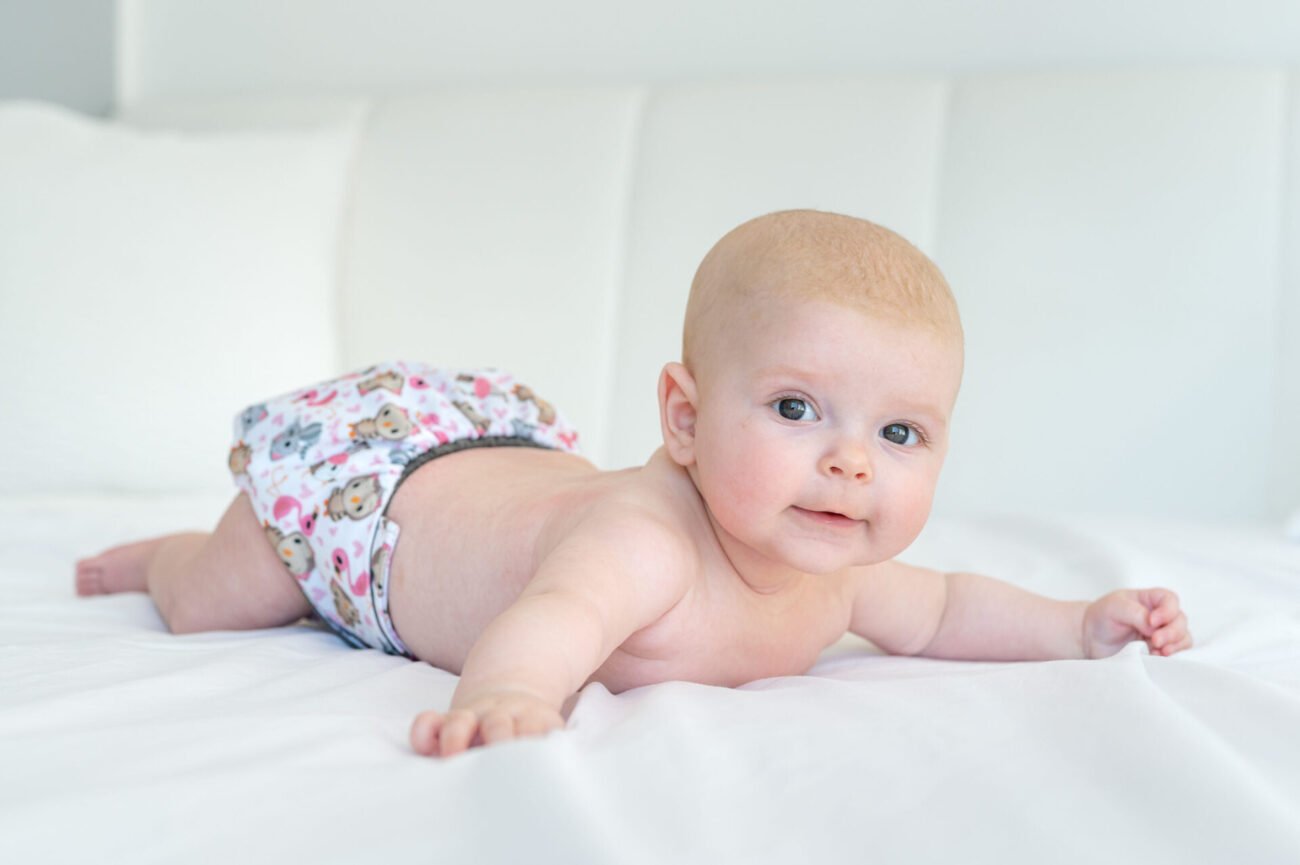

We are going be parents to have baby
There is nothing more wonderful than learning that we are going to become parents. Our minds are filled with many thoughts, and besides looking forward to the new member of the family, we wonder how we will manage everything and whether we will be good parents for our baby. Thinking about what to prepare for and what awaits us after the baby is born naturally brings some worries. After all, we want to make sure everything necessary is ready and not forget anything. So, what should future parents prepare for? In the following lines, you will find all the essential information.
What clothing is most suitable, and how much do we actually need for a newborn?
Soon after learning about their pregnancy, many expectant mothers dive into the world of the internet, browsing various websites for baby items they wish to have for their little one. With curiosity, they eagerly search for blue or pink items, look at patterns and prints on clothing, or enjoy funny slogans… But before buying a mountain of clothes, it’s important to consider what a newborn truly needs, whether they can actually wear it, and whether it would just take up unnecessary space. It’s also best to wait until you know the baby’s gender before shopping, so you don’t end up needing pink items instead of blue—or vice versa.
When choosing clothing for newborns, we should prioritize items that are safe for health. Ideally, this means selecting pure cotton clothing in white, without unnecessary sequins, beads, or other decorations that could potentially harm the baby. If you prefer something other than classic white, pastel-colored clothing or items with patterns or prints are also suitable.
The most important factor in appropriate clothing is always the material. From a practical standpoint, white cotton is very easy to care for and can be washed at high temperatures, ensuring proper disinfection and comfort for the baby. Synthetic materials can be damaged through washing and cleaning, and colored items may gradually fade. The baby should feel comfortable in their clothing, and their skin should be able to breathe freely.
So, how many pieces of clothing do we actually need? Ideally, enough to last 2–3 days so that daily washing isn’t necessary. Keep in mind that winter babies generally require a larger number of outfits, whereas summer babies can manage with just a few pieces.
Summer baby:
- 6 long-sleeve bodysuits
- 2 short-sleeve bodysuits or a shirt with snaps
- 4 rompers or half-rompers
- 6 pairs of socks
- 2 light sweaters for cooler weather
- 2 outdoor hats with ties
- 2 thin hats without ties
Winter baby:
- 8 long-sleeve bodysuits
- 4 rompers or half-rompers
- 6 warmer pairs of socks
- 3–4 pairs of tights
- 2 warm sweaters
- 2–3 warm hats with ties
- 1 winter overall
When choosing clothing sizes, we consider whether we are expecting a smaller or larger baby. On average, size 52 is sufficient for newborns, but it’s a good idea to also buy some size 56, which the baby can wear for a longer time. If you choose larger clothing, the sleeves can be rolled up, and it won’t bother the baby. With smaller clothing, there’s a risk that it will be too tight, and just two weeks after birth, you may need to repeat the shopping cycle, as babies grow incredibly fast.
The good news is that the baby will also receive plenty of clothing from early visitors, so after that, you only need to purchase additional items as needed.
How does a newborn sleep?
Newborns need a lot of sleep. On average, a newborn sleeps about 18 hours a day, with interruptions for feeding, diaper changes, and bathing. Newborn babies cannot yet distinguish between day and night sleep cycles; this develops over time.
To ensure quality sleep for your baby, a few important things are necessary. The first is a baby crib. There is an endless variety on the market, with different designs, colors, and sizes. A popular option today is a “growing” crib that can be gradually enlarged as the baby grows. Other options include cribs that attach to the parents’ bed and traditional cradles.
However, the choice of crib alone does not determine the quality of the baby’s sleep. The most important factor is selecting a high-quality mattress that provides comfort and proper support for the baby’s spine. From a safety perspective, it is not recommended to cover the baby with a blanket or place a pillow under their head. It is, however, acceptable to use a protective bumper around the crib, which can help prevent accidental bumps. Here, too, there is plenty of room for creativity—you can choose one that perfectly matches the nursery or the parents’ bedroom.
So, here’s what we will need:
- Crib or cradle
- Swaddle or baby blanket
- Waterproof sheet
- Cotton sheets (several pieces)
- Nightlight for the nursery
Don’t fear the down
For a baby’s good sleep, it’s also crucial how and in what we lay them down. The most important thing is that the baby feels comfortable and, above all, safe. A current trend is using various types of swaddles, which are very practical for handling a tiny little person. Companies offer swaddles with reinforcement, firm bases, and either hook-and-loop fasteners or ties.
Lately, however, “classic” down blankets have been gaining popularity, embraced by many parents. What does swaddling a baby in a down blanket offer, and why should it be our first choice? Many mothers worry about possible allergic reactions to down, especially if they themselves are allergic. These fears are largely unfounded—babies are generally resilient to such influences, and early exposure to potential allergens actually increases the likelihood that they will tolerate them well in the future.
A major advantage of swaddling a baby in a down blanket is that the baby is securely wrapped. The down perfectly contours to their small body, providing necessary support for the spine and head, which isn’t fully possible with a traditional swaddle with a firm base. This method promotes proper spinal development and can also help prevent flat head syndrome, as it allows alternating the baby’s position between the right and left sides, so the baby doesn’t keep turning their head in only one direction.
Another benefit is that the baby feels comfortable and cozy in the down blanket, making it easier for them to fall asleep. Since newborns cannot yet regulate their body temperature well, the blanket provides the perfect warmth they need. This means we don’t have to overdress the baby or cover them with extra blankets. Even in the summer months, if the baby is swaddled in light clothing, there’s no risk of overheating, as the materials used for down blankets are breathable and lightweight.
Disruptive influences
We all know the feeling—after a long, exhausting day, many of us want to stretch out, watch a favorite show, or listen to music. However, if we do this in the same room where we put our baby to sleep, it’s not ideal. A baby’s brain is constantly developing, and these new sounds can be distracting and generally reduce the quality of their sleep.
Other disruptive factors include lighting. We need to distinguish between daytime and nighttime sleep. Natural daylight should not be dimmed during the day—it’s good to keep this natural light—but at night, the baby should not be exposed to strong artificial light. If some light is needed in the room, a dim nightlight is suitable and won’t disturb the baby.
Room temperature is also crucial. To prevent overheating or chilling, the optimal daytime temperature is 18–21°C, and in winter, 1–2°C higher. The placement of the crib is important too—it should not be too close to a heater or under a window to avoid sudden temperature changes. Finally, frequent ventilation of the room where the baby spends time is essential.
Rituals are worthwhile
For good sleep, it’s helpful to start a bedtime ritual from the beginning. We also need to differentiate between putting the baby down for daytime or nighttime sleep. Before a daytime nap, you might feed the baby first or take them for a walk so they fall asleep naturally. Before nighttime sleep, a routine of bathing and feeding with dimmed lights can help, followed by placing the baby in the crib.
By repeating the same rituals around the same time each day, the baby gradually learns when it’s time to sleep and will often fall asleep on their own without assistance.
Bathing and hygiene
How often we bathe our baby is entirely up to us, as there are no strict rules in this regard. Some parents prefer daily baths, while others bathe their baby every other day. Bathing every third day is also sufficient, especially if the baby doesn’t enjoy water. For little water lovers, it’s perfectly fine to indulge this joy, for example, by including a bedtime routine of bathing, feeding, and then sleep.
Special care is needed if the baby has very dry skin or suffers from a skin condition. In such cases, it’s best to consult a specialist about the proper bathing routine.
Essentials we can’t do without:
- Baby bathtub or bucket
- Bath insert or mat
- Water thermometer
- 3 hooded baby towels (80×80 cm or larger)
- Baby sponge for washing
- Baby oil of our choice
- Comb or hairbrush
- Nail scissors with rounded tips
- Baby cotton swabs
Ah, the cosmetics…
Many parents start thinking about which brand of baby cosmetics to choose even before the baby is born. They compare ingredients, fragrance, and practical features like 3-in-1 products. Today, we can choose from a wide range of shampoos, shower gels, soaps, bath foams, and more. Baby cosmetics promise natural ingredients and a lovely scent—after all, who wouldn’t want their baby perfectly clean and fragrant?
Clean water is enough
Experts increasingly agree that a newborn doesn’t actually need any cosmetics. The exceptions are body oils for after bathing and creams for the diaper area. Clean water alone is sufficient for several reasons. Most importantly, even natural products can strip the baby’s skin of essential oils, causing dryness. Baby skin should maintain its natural hydration, which many products can reduce.
Another reason to avoid extra products is that newborns live in a mostly clean environment, unlike older babies who explore, crawl on the floor, and touch everything. For the youngest babies, cleaning is mainly needed for sweat, and the intimate area is best cleaned with just water.
If you still want a fragrant bath, the best option is to add a small sachet of herbs to the water. Herbs gently scent the water and can have a very relaxing effect on the baby’s mind.
Bathing time
There’s so much joy when we place our baby in the water—they smile, move their little arms, and kick their legs. Water reminds them of being in the womb, where they happily floated around. Before this beautiful process, however, several things must be ensured.
The most important is maintaining a comfortable air temperature in the room so the baby doesn’t get cold. In summer, the weather usually provides enough warmth, but in winter, the room needs to be heated properly. Central heating alone may not be sufficient, so we can use an electric heater if needed.
Another crucial factor is the water temperature, which can be measured by submerging a baby thermometer in the water for about a minute. If you don’t have a thermometer, you can test the water with your elbow, as the skin there is most sensitive to heat. If the water feels neither hot nor cold but pleasantly warm, it should be suitable for the baby. The ideal water temperature is between 33–37 °C.
Before bathing, it’s good to prepare a towel, baby oil, diapering supplies, and clothing so that after the bath, you won’t have to run around. Only then can you place the baby in the prepared water. When bathing, start from the head—but wash the hair last to avoid chilling the baby. Wash the face, arms, body, and legs, and don’t forget the intimate area. WARNING: Never leave a baby alone in the bathtub, even for a second!
After the bath
Once the baby is out of the water, wrap them in a prepared towel and let them air-dry for a moment. Prepare a comb if needed and gently brush the hair. Clean the baby’s ears thoroughly and trim the nails (once a week or as needed).
When the baby is fully dry, remove the towel and proceed to a gentle massage using baby oil. Babies love this, especially the touch of their parents. Start at the head, move to the arms, then the body, and finally massage the legs. Turn the baby onto their tummy and apply oil to the back and bottom. There are many types of baby oils available; if bathing in the evening, you might choose a “good night” oil, but the choice of type and scent is entirely up to you.
After the massage, diaper and dress the baby. You can then continue with feeding, leaving you with a beautifully clean, fragrant, and happy little one.
Important note: The timing of the bath is flexible, but always bathe the baby after feeding to prevent discomfort or vomiting. The same rule applies to any handling of the baby—dress, play, or other activities are safest at least 30 minutes after feeding to reduce the risk of regurgitation or, in severe cases, inhaling stomach contents.