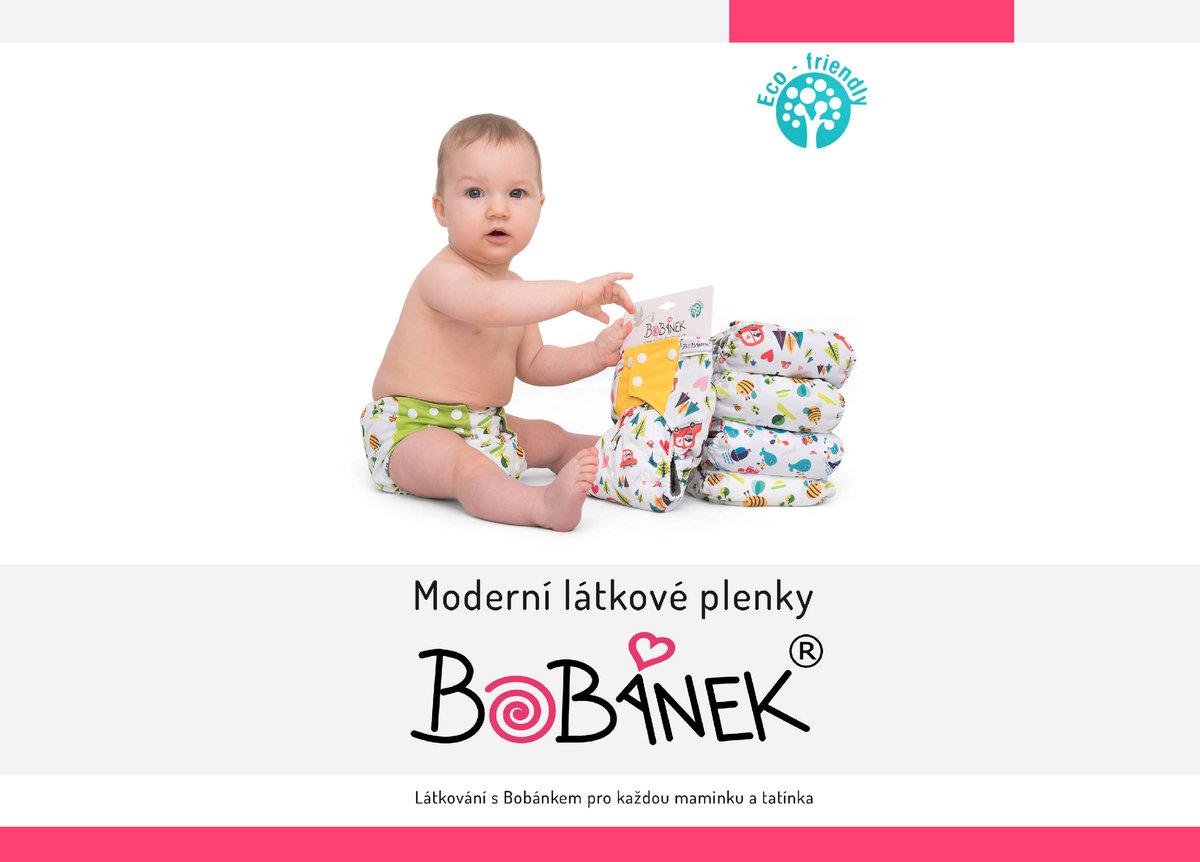


Disposable adult diaper pants create an enormous amount of hazardous, chemical-laden waste and are also quite expensive. Why not try modern reusable cloth diaper pants for adults, which are environmentally friendly, can be used over and over again, and are very easy to maintain?
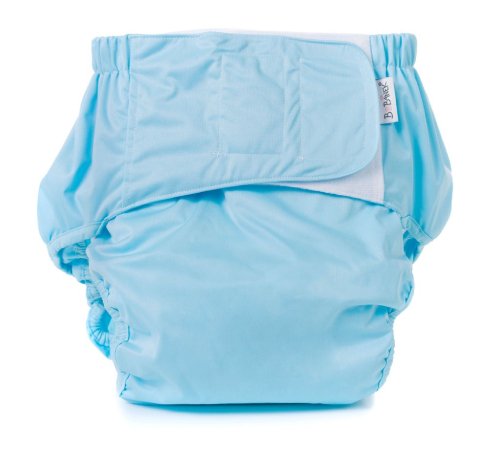
Why use cloth underwear instead of disposable ones?
- they are eco-friendly – gentle on the environment. Since they are washable, you can use them over and over again without creating piles of waste
- they are healthier – they do not contain any gels, deodorizing additives, bleach residues, gelling agents, chemicals, or fragrances
- they are more economical – available at reasonable prices, and you don’t have to buy disposable products every month. It’s a one-time investment with no additional costs that quickly pays off
- they are original – unique of their kind in Slovakia; you won’t find anything like them elsewhere
What materials are AIO incontinence diapers made from?
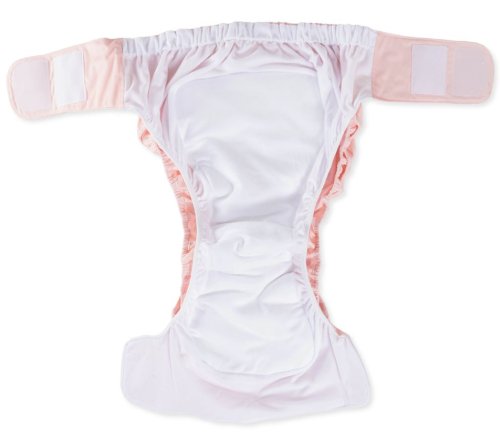
Inner side of AIO diapers
The outer layer of the diaper is made of a membrane material—polyester laminated with polyurethane (PUL), which is both waterproof and breathable. The inner layer is made of microfiber, which wicks moisture away from the skin and has good absorbency.
The diapers already include one sewn-in absorbent core, and the absorbency can be increased by adding additional insert diapers.
Composition:
Outer layer: 100% PUL
Inner layer: 100% polyester
The size is adjustable around the hips using hook-and-loop fasteners within the following ranges:
Size S: 60–90 cm, rise 32 cm (also suitable for older children and teenagers)
Size M: 80–100 cm, rise 34 cm
Size L: 100–150 cm, rise 36 cm
Insert diapers
How many diapers should you get to start with, and how should you care for them?
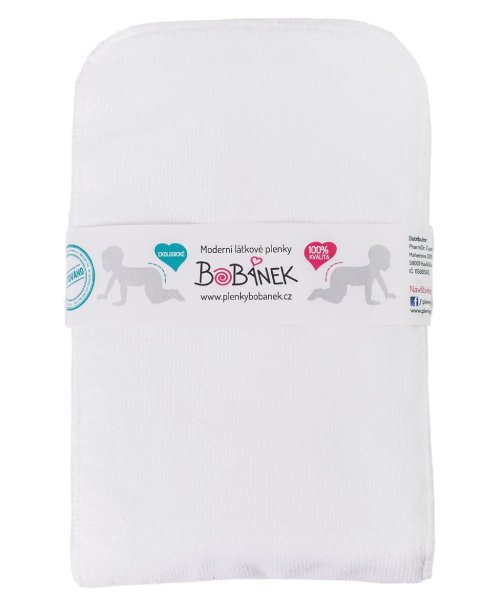
To start with, we recommend purchasing at least two AIO incontinence diapers. Depending on the level of urine leakage, you can later buy additional insert diapers to increase the absorbency of the AIO diapers. Bamboo liner inserts are also a great addition, primarily used to catch stool.
After use, wash the incontinence diapers in a washing machine (you can wash them together with other laundry) at 60 °C, which is high enough to kill bacteria. Make sure the hook-and-loop fasteners are secured to the “laundry tab” so they don’t catch dirt or lint during washing. It’s best to use a detergent that does not clog the diaper’s pores. The detergent should not contain any bleach or optical brighteners. Do not use fabric softener, as it reduces absorbency.
After washing, it is best to air-dry the diapers on a drying rack. Tumble drying or drying directly on a heater is not recommended, as it damages the PUL material and shortens the lifespan of the incontinence diapers.