

Cloth diapering is the future
In today’s fast-paced world, with constant demands on our time—even during maternity leave—few mothers can imagine washing, ironing, and folding diapers. Especially when there are other children at home, time for other activities becomes even more limited. Most women still reach for the easiest solution when changing their baby: disposable diapers. Changing a baby is as simple as folding up a disposable diaper and throwing it in the bin. It’s that easy, right?
But are we really thinking about our baby’s health? Are these diapers truly suitable for the sensitive skin of a baby’s bottom? Not everyone asks such simple questions and instead happily grabs the next pack of disposable diapers in the store.
The 21st century brings innovations
In the past, women and mothers didn’t have many options for diapering their babies, so they washed, boiled, ironed, and folded all the diapers into neat piles for reuse… It was a daily routine that took a lot of time and effort. However, the diapers were clean, fresh-smelling, and safe for health.
The very positive news today is that more and more mothers and expectant mothers are choosing to return to cloth diapering, just as it was done in the past, even despite the lack of time. The modern world brings numerous innovations in every area, and the world of childcare is no exception. In addition, many people want to live their lives as healthily and consciously as possible, which leads them to pay extra attention to the care of their children.


Cloth diapers vs. “disposables”
How we diaper our baby and which type of diapers we choose is a decision we start considering even before the baby is born. There are many types and variations on the market… disposable, cloth, patterned, colorful, with Velcro or snaps. The choice isn’t simple, and every parent wants to select the best option for their baby. We compare advantages and disadvantages, make our decision, and shop.
The real diaper test, however, begins after the baby is born. Beyond a full tummy, changing the baby as soon as needed is essential to avoid potential discomfort that could trouble our little ones. But what if issues like diaper rash arise? Yes, today there are many solutions to treat irritated skin and bring relief to the baby.
However, if the problem keeps recurring, we should consider whether we’re using the right diapers and whether disposable diapers might actually be causing the issue. Using the right diapers should allow us to avoid these problems altogether. But which ones are the right ones?
Do you know this about disposable diapers?
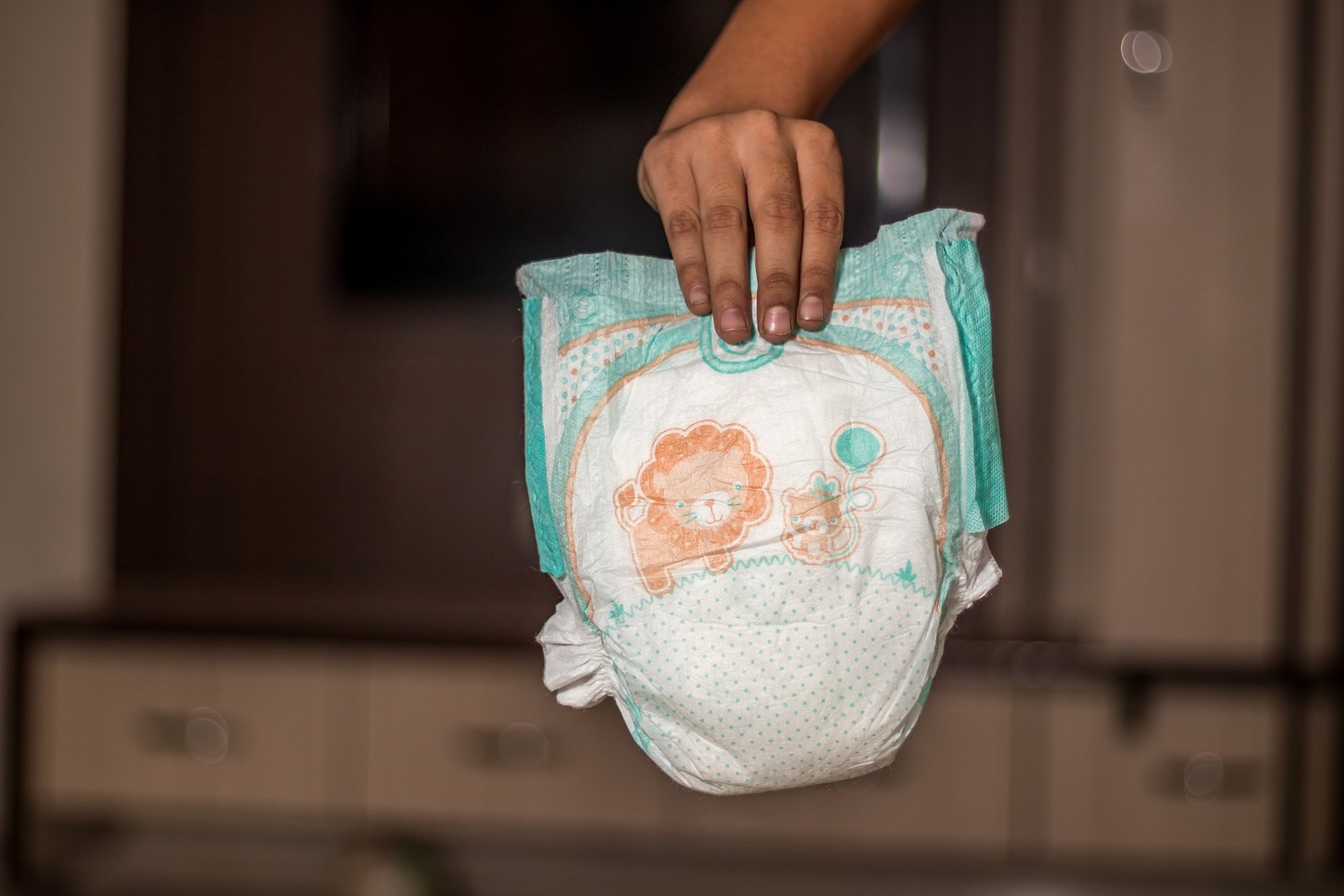
Disposable diapers are very practical—they’re easy to change, and used ones simply go in the bin. But do we pay attention to what they’re made of? Beyond convenience, they offer almost no other benefits. Their composition usually includes synthetic materials such as cellulose, absorbent gels, polymers, and polyacrylates. Most of these diapers are also bleached and colored before reaching the market, which may not always be suitable for a baby’s sensitive skin and can easily cause irritation or, in worse cases, an allergic reaction.
The market also offers so-called “eco” disposable diapers that meet various strict criteria—but they are still disposable diapers, meaning they cannot be washed and reused. Moreover, this creates a huge amount of non-recyclable waste. It is estimated that a single child produces more than a ton of such waste during their diapering years.

Cloth diapering gets the green light
Cloth diapers are gaining popularity—not just here, but across prosperous countries. Some countries even offer financial incentives to mothers who choose cloth diapers. There are two main reasons for this:
The first is health. Cloth diapering significantly benefits babies’ health by reducing the occurrence of diaper rash and allergic reactions. These diapers contain no gels or synthetic materials to absorb liquid, so more frequent changes are necessary, which helps prevent irritation.
The second reason is purely ecological.
One of the major advantages of cloth diapers, beyond the health benefits, is that they are very similar to disposable diapers in use—with one key difference: after changing, you don’t throw them in the trash, but place them in the laundry. You fasten the diaper on the baby using either Velcro or snaps, and when it’s soiled, you put it in a diaper bin or a waterproof bag.
The only downside is that these diapers need to be washed. However, ironing is not necessary, as they retain their shape, color, and durability after quick drying. There is a wide variety of cloth diapers on the market, from simple cover pants to complete all-in-one (AIO) diapers. They are made from high-quality cotton or bamboo materials that don’t irritate a baby’s skin, are soft to the touch, and provide comfort for the baby.
Every activity we do with our baby should be approached as a fun and engaging experience—and using cloth diapers adds an element of enjoyment. Parents and even older babies can enjoy the variety of colors and patterns. Modern cloth diapers are visually appealing and have become something of a lifestyle choice embraced by many mothers. Another major benefit is the cost: compared to buying disposable diapers, cloth diapers are significantly more affordable.